
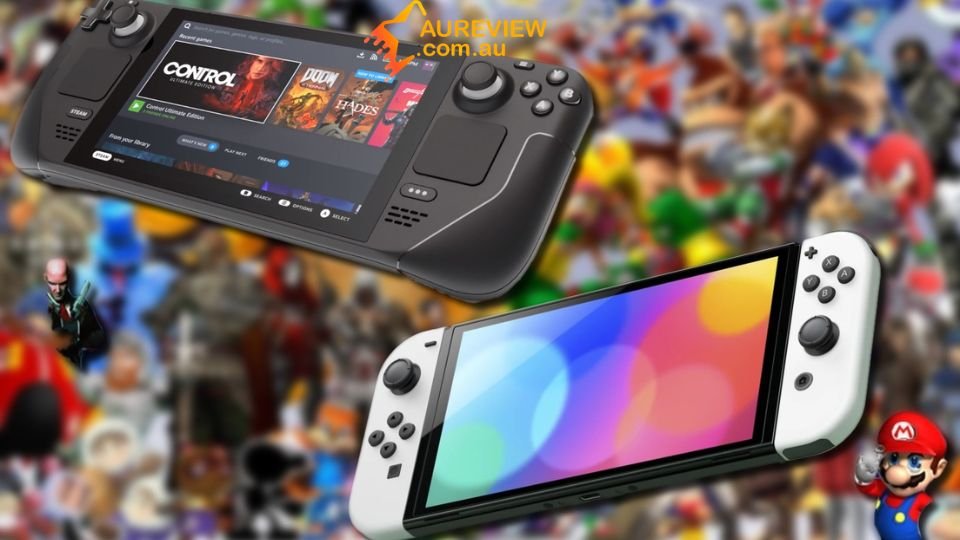
Nintendo Switch vs Steam Deck is the ultimate comparison for gamers choosing between portability and power. This guide by AU Review breaks down performance, game libraries, and real-world experience to help you decide the right console.
Nintendo Switch vs Steam Deck: Quick overview
Nintendo Switch focuses on flexibility with its hybrid design, letting you switch between handheld and TV play effortlessly. It’s optimised for casual gamers and those who enjoy exclusive titles from Nintendo.
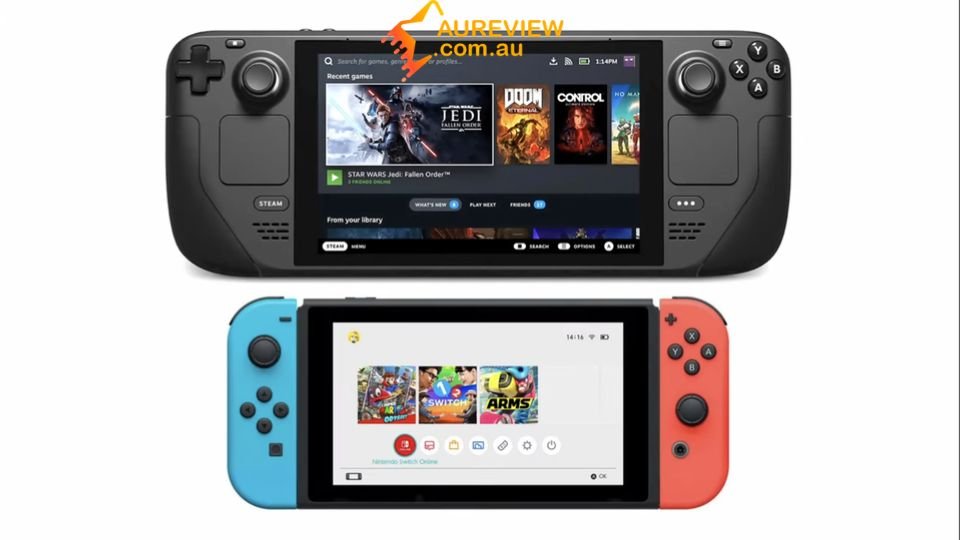
Steam Deck delivers stronger hardware and a PC-like experience in a portable form. Built by Valve Corporation, it targets hardcore gamers who want access to a vast Steam library and deeper customisation.
Design and portability experience
Both devices are built for gaming on the go, but they take very different approaches to portability and comfort. Your choice depends on whether you prioritise flexibility or raw performance.
Nintendo Switch: Hybrid flexibility
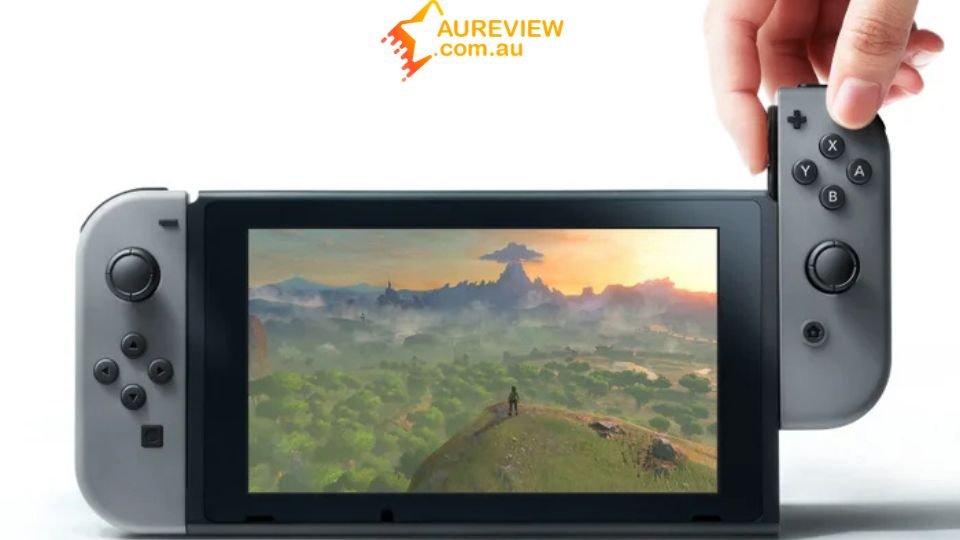
Nintendo Switch stands out with its hybrid design, allowing seamless transitions between handheld and TV mode. Its lightweight build and detachable controllers make it highly portable and ideal for casual, flexible play.
Steam Deck: PC power in your hands
Steam Deck is noticeably larger but delivers a more powerful handheld experience. It is designed for extended play sessions, with a solid grip and a focus on performance closer to a portable gaming PC.

Performance and hardware comparison
When it comes to raw power, these two consoles are built with completely different priorities. One focuses on optimised gameplay, while the other delivers a true handheld PC experience.
|
Feature |
Nintendo Switch |
Steam Deck |
|
CPU |
Custom NVIDIA Tegra |
AMD Zen 2 |
|
GPU |
Integrated NVIDIA GPU |
RDNA 2 GPU |
|
RAM |
4GB |
16GB |
|
Performance |
Optimised for first-party games |
Handles AAA PC titles |
|
FPS (typical) |
30–60 FPS (optimised) |
30–60+ FPS (depends on settings) |
|
Game type |
Best for Nintendo exclusives & indie |
Strong for AAA + indie |
Overall, Nintendo Switch prioritises smooth performance through optimisation, especially for exclusive titles. In contrast, Steam Deck stands out with significantly stronger hardware, making it better suited for demanding AAA games and flexible PC gaming.
Game library and ecosystem
The biggest difference between these two devices lies in how and where you access games. One focuses on curated exclusives, while the other offers a massive open PC library.
Nintendo ecosystem
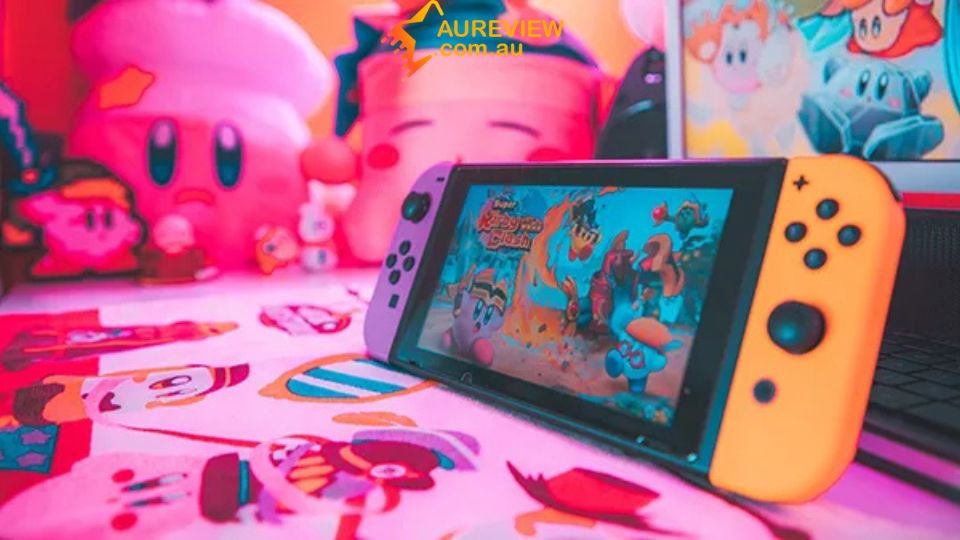
Nintendo Switch is built around exclusive titles from Nintendo, including globally recognised franchises like Zelda and Mario. Its Nintendo eShop provides a streamlined, beginner-friendly experience with a strong focus on quality and optimisation.
Steam ecosystem
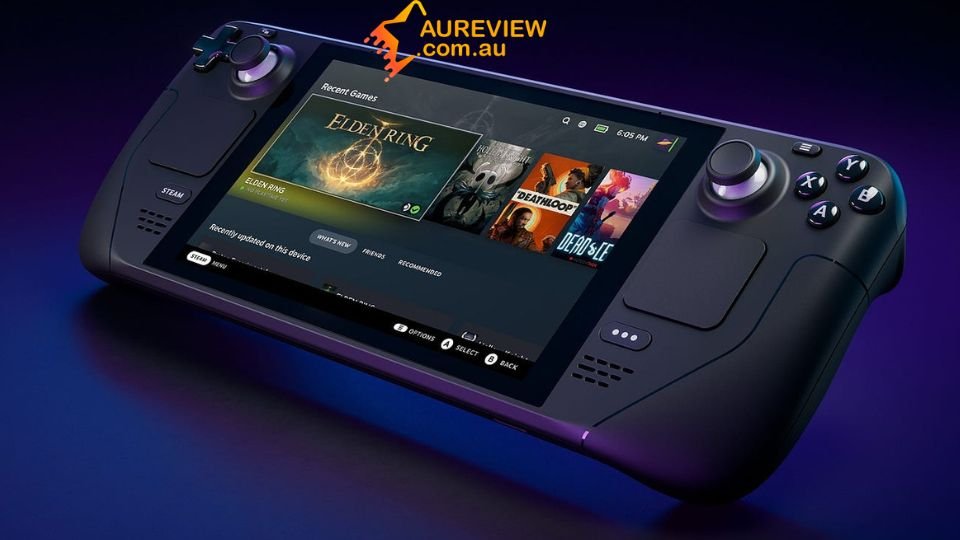
Steam Deck connects directly to the vast library of Steam, giving players access to thousands of PC games. This ecosystem is far more flexible, supporting AAA titles, indie games, mods, and frequent sales, making it ideal for gamers who want variety and control.
Battery life and real-world usage
Nintendo Switch generally offers more stable battery performance for everyday gaming, typically lasting between 4.5 to 9 hours depending on the title. With optimised first-party games, users can expect consis
Steam Deck has a wider battery range, usually around 2 to 8 hours, heavily affected by game intensity and settings. Playing AAA titles at higher performance levels can drain the battery quickly, making real-world usage less predictable.
User experience and interface
Nintendo Switch delivers a simple, intuitive interface that is easy to navigate even for beginners. Its clean UI, quick setup, and seamless game access make it ideal for casual players who prioritise convenience and a smooth out-of-the-box experience.
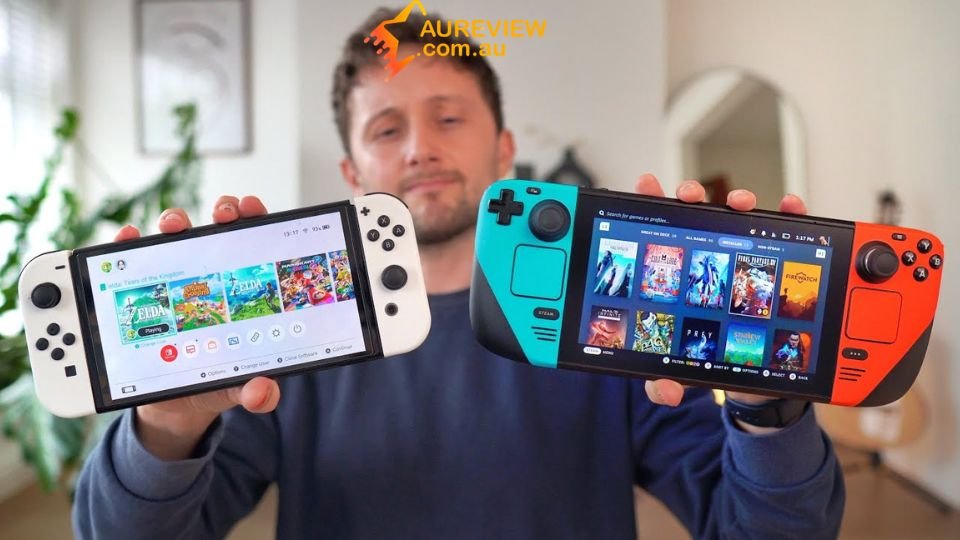
Steam Deck offers a more complex interface built on a PC-like environment, giving users greater control and flexibility. While it may require a learning curve, it supports deeper customisation, modding, and access to advanced settings for a more personalised gaming experience.
Price and value for money
Price is a key factor, but long-term value depends on how you buy and play games. These two consoles differ not just in upfront cost, but also in ongoing expenses.
|
Criteria |
Nintendo Switch |
Steam Deck |
|
Starting price |
Lower entry cost |
Higher upfront cost |
|
Long-term value |
Strong with exclusives |
High due to PC-level flexibility |
|
Game pricing |
First-party games rarely discounted |
Frequent sales on Steam |
|
Additional costs |
Online subscription for multiplayer |
Minimal, mostly optional |
|
Overall value |
Best for casual, stable spending |
Better for gamers seeking variety and deals |
In general, Nintendo Switch is more budget-friendly at the start, while Steam Deck offers better long-term value if you take advantage of the broader and often discounted PC game ecosystem.
Try Your Luck with Gaming Mystery Boxes on Cheer
Join Cheer today and explore the Mystery Boxes section for a chance to level up your gaming experience. With exciting options like the Gaming Apex box, you could unlock premium rewards and discover new tech in a fun, interactive way.

From must-have gear to top-tier consoles like Nintendo Switch or Steam Deck, Cheer gives you the opportunity to experience the latest in gaming without the usual price tag.
Conclusion
Nintendo Switch vs Steam Deck comes down to your gaming style and expectations. Nintendo Switch is ideal for casual, flexible play with strong exclusives, while Steam Deck offers greater power and a more open, PC-like experience.
AU Review recommends choosing based on how you play, whether you prefer simple plug-and-play convenience or deeper performance and customisation on the go.